-
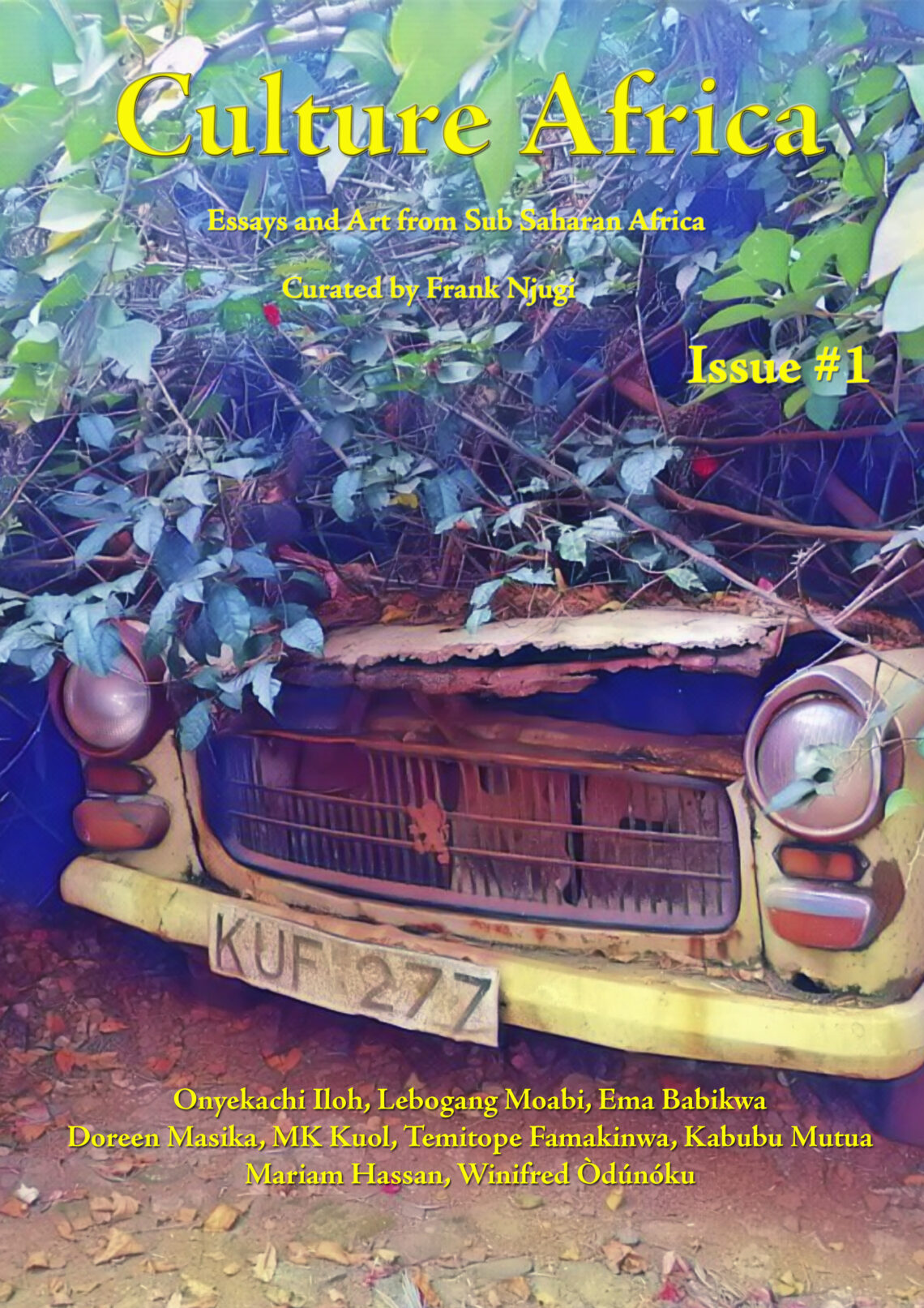
Dive into Culture Africa 1st Issue – Non-Fiction from six African countries
Dive into Culture Africa 1st Issue – Non-Fiction and Art from six African countries Where The Ghosts Hide By Mariam Hassan “The answer found me in a bucolic dream where the sun rose so high and bled red on my brown skin, I watched the palm trees wave between my fingers and listened to the wind blowing under my earlobes. The bits of myself I managed to salvage had been taken aback and replanted in a house by the water where every morning I was greeted in my mother tongue.” Navigating “It is Well” as a Nigerian Immigrant By Temitope Famakinwa “The other time on a call, a close family friend was eating pounded yam, unwrapped from a banana…
-
Non–Fiction As Cultural Anthropology – Culture Africa First Literary Magazine out now engl/deutsch
As you contemplate whether to engage with Culture Africa Issue 1, consider that you are not merely encountering literary works, but engaging with a people’s anthropology presented through one of the most creative and intellectually rigorous forms available. You are, in effect, witnessing the foundational moments of a platform whose existence is firmly dedicated to becoming the definitive space for such discourse.
-
Nuria Book Store – Customers First! Behind the scenes of one of Africa’s biggest Online Bookstores_ english/deutsch
A success story from Kenya: Nuria bookstore is the biggest online book store in East Africa. From its headquarter in Nairobi, Abdullahi Bulle manages the distribution and customer service of Nuria. A clever customer orientated online surface makes it easy for sellers and buyers. And the big threat Amazon ist still far away. The online market can be an advantage for native companies like Nuria. We have a talk with founder Abdullahi Bulle.
-
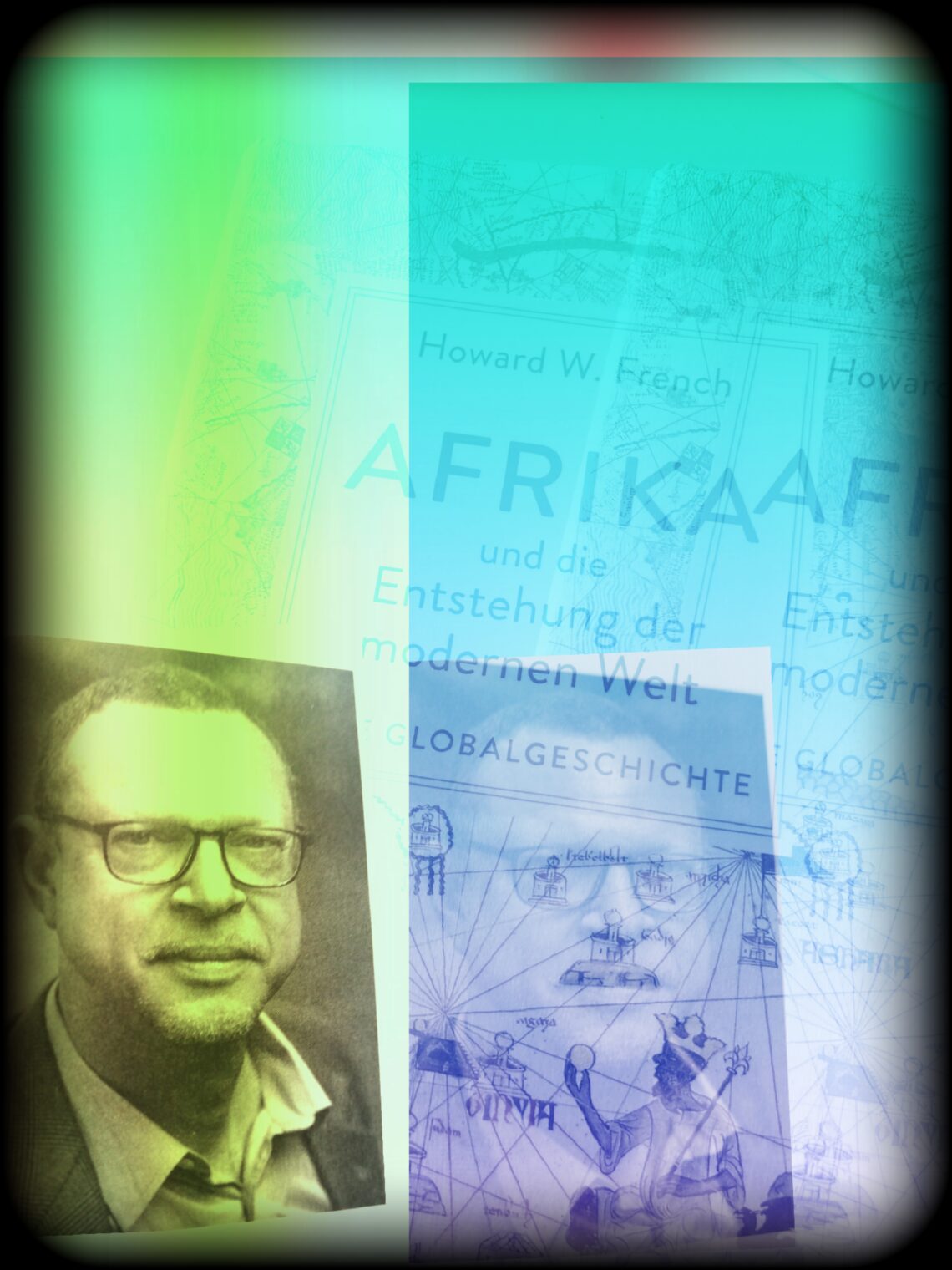
An Uncomfortable Truth: Howard W. French: Born in Blackness – Afrika und die Entstehung der modernen Welt_deutsch_englisch
Africa and the Making of the Modern World, now published in German by Klett-Cotta, is to be seen as an important contribution in the reinterpretation of historical facts and contexts. The striking thing is not only the many facts that French presents. It becomes clear relatively early in the reading that it is above all the concealment or negation of facts and contexts that have made possible a revelation of one of the darkest chapters of Western history. A central thesis of the book is that Africa with its resources of gold and forced laborers, over twelve million slaves and the market for textiles, made an unheard-of rise of the European seafaring nations such as Portugal, Spain, the Netherlands,…